Scuba Diving Gear for Deep Diving
Top Must-Have Scuba Gear Pieces for an Unforgettable Dive
When planning a scuba diving adventure, selecting the right gear is critical for both safety and enjoyment. Critical items include a top-quality mask for clear vision, fins for propulsion, and a snorkel designed to minimize fatigue. A Buoyancy Control Device (BCD) helps with managing buoyancy, while thermal suits ensure comfort in varying temperatures. Additionally, a dive computer maintains safety underwater. However, the right choice can greatly enhance the overall experience. What other gear might improve a diver's journey?
Important Scuba Mask
A high-quality scuba mask represents a vital element of every diver's equipment. It functions as the portal to the aquatic realm, enabling divers to appreciate the colorful aquatic wildlife and breathtaking scenery below the surface. An appropriately fitted mask produces a secure seal, stopping water intrusion that might interrupt a diving session. The viewing glass must offer crisp vision, usually manufactured from hardened glass for strength. Divers ought to also assess the mask's capacity; a minimal-volume structure permits effortless water expulsion and enhanced equalization. In addition, an ergonomic strap and silicone skirt refine the entire fit, decreasing uneasiness during lengthy underwater excursions. Finally, acquiring a superior scuba mask substantially elevates the diving journey, making it an indispensable tool for both novice and experienced divers alike.
Comfortable Swim Fins
Comfortable fins play an essential role in elevating a diver's experience beneath the surface. They facilitate effective movement through water, allowing divers to preserve energy and extend their time underwater. Fins come in multiple designs, including open-heel and full-foot options, accommodating different preferences and conditions. A secure fit is vital; fins that are too tight can create discomfort, while loose fins may impede propulsion. Material also matters, with choices ranging from soft rubber to stiffer composites, each offering distinct performance characteristics. Divers should evaluate their diving style, whether it be casual exploration or active activities. Ultimately, investing in a pair of well-fitting, well-fitted fins can significantly enhance the pleasure and performance of any dive adventure.
Reliable Snorkel
A reliable snorkel is essential for guaranteeing an rewarding underwater experience. Key features, various types, and proper maintenance play crucial roles in optimizing its functionality and service life. Understanding these components can help hobbyists select the perfect snorkel for their expeditions.
Important Features to Consider
When choosing a quality snorkel, divers must consider several important features to ensure an enjoyable underwater experience. One key aspect is the design of the mouthpiece, which should deliver comfort and reduce jaw fatigue during extended use. Additionally, a snorkel with a splash guard at the top can help prevent water from entering, boosting overall convenience. The material of the snorkel is also essential; high-quality silicone is typically more sturdy and flexible, providing a better fit. Another important feature is the purge valve, enabling easy clearing of any water that may enter the snorkel. Finally, a lightweight and compact design is helpful for ease of transport and storage, making it an vital piece of gear for any diver.
Types of Snorkels Available
Various types of snorkels exist, all created to accommodate various underwater exploration preferences. The traditional snorkel features a basic tubular structure, allowing users to breathe while remaining face-down in the water. Next, the semi-dry design features a splash guard to limit water ingress, making it suitable for turbulent water environments. The sealed snorkel, fitted with a valve at the top, seals off the tube when submerged, blocking water entry entirely, ideal for beginners or those who want fewer complications. Additionally, flexible snorkels, often with a bendable section, enable compact storage, while specialized snorkels, including models featuring integrated cameras or extra features, serve particular purposes. All types elevate the snorkeling experience in special ways.
Care Guidelines for Long-Term Performance
To guarantee the longevity of a dependable snorkel, routine maintenance is crucial. After each use, it is critical to rinse the snorkel in fresh water to remove sand, salt, and other particles. Proper drying inhibits mold and mildew, which can degrade the material. Check the mouthpiece and purge valve frequently for any evidence of wear or damage; replacing these components as needed aids in maintaining functionality. Moreover, storing the snorkel in a cool and dry area away from direct sunlight increases its lifespan. Refrain from using harsh chemicals for cleaning, as they can degrade the material. By following these maintenance guidelines, snorkel enthusiasts can ensure their gear remains in excellent condition for many memorable underwater expeditions.
Buoyancy Compensation Device (BCD)
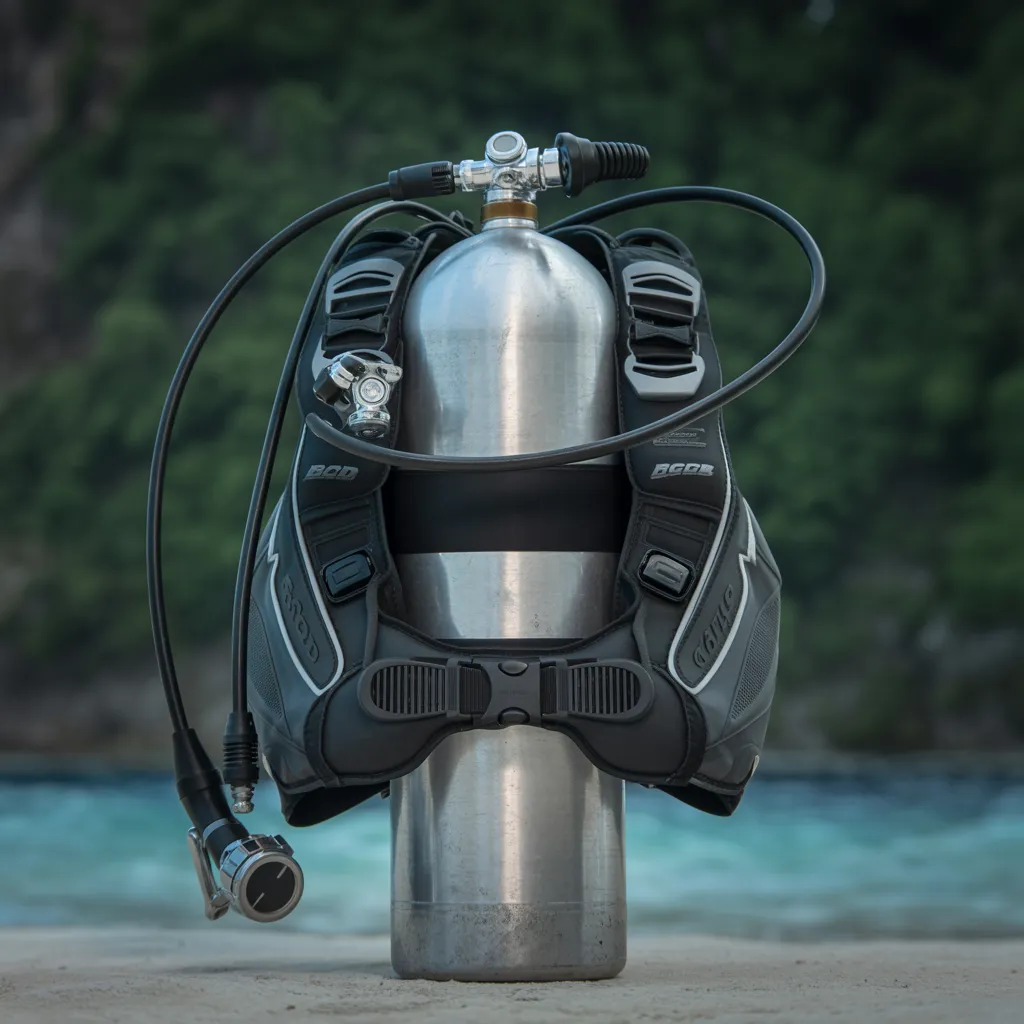
A Buoyancy Control Device (BCD) represents an essential element of scuba diving gear, giving divers the means to control their buoyancy underwater. This adaptable device fills or empties to assist divers achieve neutral buoyancy, making certain they neither sink nor float uncontrollably. BCDs are outfitted with numerous features, including adjustable straps, integrated weight systems, and multiple D-rings for attaching accessories. Divers can choose between jacket-style and back-inflate designs, based on their comfort and configuration preferences. A properly fitted BCD improves complete diving experience by allowing for easier movement and stability while exploring underwater environments. Moreover, it plays a essential role in safety during ascents and descents, making it relevant information essential for both novice and experienced divers alike.
Scuba Dive Computer
Dive computers are crucial devices for today's scuba divers, providing real-time data about depth, time, and nitrogen levels during underwater adventures. These devices help divers to monitor their ascent and descent rates, maintaining safety and preventing decompression sickness. With various models available, divers can opt between wrist-mounted or console-integrated computers, serving personal preferences and diving styles. Most dive computers feature user-friendly interfaces and can log multiple dives while calculating no-decompression limits. In addition, many models include features such as air integration, which tracks remaining tank pressure, and alarm systems that alert divers to important changes. All in all, a dive computer is a crucial piece of gear that enhances safety and elevates the diving experience.
Drysuit or Wetsuit
When selecting between a wetsuit and a drysuit, temperature requirements play a critical role in guaranteeing comfort during underwater activities. The choice of material also impacts performance and insulation, with each option offering unique benefits. Finally, achieving the right fit is critical for maximizing comfort and mobility while exploring aquatic environments.
Temperature Variables
How should you decide between a wetsuit and a drysuit for scuba diving? The decision mainly depends on water temperature and personal comfort. Wetsuits are perfect for warmer waters, offering thermal protection through a layer of water held between the suit and the skin, which increases in temperature with body heat. They are often made from neoprene and are flexible, enabling ease of movement. On the other hand, drysuits are built for colder environments, keeping the diver totally dry by implementing an airtight seal. This delivers greater insulation, as divers can wear thermal layers underneath. Understanding the diving conditions and personal capacity for cold is critical in making the right choice, finally enhancing the overall diving experience.
Categories of Suit Materials
Picking the right suit material is crucial for a enjoyable and effective diving experience. Wetsuits, typically made from neoprene, are designed to preserve a thin layer of water between the suit and the skin, which helps sustain body temperature. They are excellent for warmer waters and provide ease of movement and buoyancy.
Conversely, drysuits are built from waterproof materials and include seals at the wrists and neck, maintaining the diver totally dry. This makes them perfect for colder environments, permitting divers to wear insulating layers beneath.
The choice between a wetsuit and a drysuit ultimately depends on water temperature, dive duration, and personal preference, affecting overall comfort and performance during dives.
Fit and Comfort
Proper fit and comfort are essential to the effectiveness of both wetsuits and drysuits during diving. A properly-fitted wetsuit offers thermal insulation by trapping water between the suit and the skin, which heats up during the dive. On the other hand, drysuits establish an air pocket that keeps divers dry and insulated, demanding a different fit to prevent air bubbles and ensure proper movement. Divers should consider body shape and size when picking a suit, as incorrect fit can lead to discomfort and reduced mobility underwater. Furthermore, suit thickness impacts flexibility; thicker materials offer more insulation but may restrict movement. Therefore, finding the right balance of fit, comfort, and functionality is fundamental for an pleasant and safe diving experience.
Marine Camera
When divers venture into the colorful aquatic environment, an underwater camera serves as an essential tool for capturing the captivating beauty and unique marine life observed during their adventures. These cameras are specifically designed to withstand the pressures of deep water, providing high-quality images and videos that can showcase the intricacies of coral reefs and the grace of swimming creatures. Many underwater cameras feature advanced settings for low-light conditions, ensuring that divers can document their experiences regardless of the environment. Additionally, compact and user-friendly designs make them available for divers of all skill levels. Investing in a reliable underwater camera allows divers to relive their underwater memories and share their passion for marine exploration with others, enriching the overall diving experience.
Questions & Answers
How Can I Select the Correct Size for My Scuba Gear?
To select the right size for scuba gear, it's important to check size charts, take into account body measurements, and fit equipment if available. It's vital for safety and comfort during dives to achieve proper fitting.
Is It Possible to Rent Scuba Gear Rather Than Purchase It?
Yes, one can rent scuba gear instead of purchasing it. Rental options provide flexibility along with cost-effectiveness, particularly for those who dive infrequently. That said, the fit and comfort level might not be optimal when compared with owning gear fitted to your specifications.
What Steps Should I Take if My Equipment Fails Underwater?
When scuba apparatus experiences a failure underwater, the diver should remain calm, alert others for assistance, and endeavor to rectify the problem if possible. If not, they should surface slowly while retaining control of their buoyancy.
How Often Does My Scuba Equipment Need Servicing?
Diving gear requires annual servicing, irrespective of how often it's used. Proper upkeep ensures equipment reliability and diver safety. Additionally, if diving gear encounters heavy usage or problems, service intervals should be shortened to prevent potential dangers.
What's the Optimal Way to Clean My Scuba Gear Following Use?
To properly clean scuba gear after use, thoroughly rinse it in fresh water, giving special attention to zippers and valves. Hang it to dry in a well-ventilated, shaded area, keeping away from direct sunlight to protect against damage.